About
The founding races are Human, Elf, Dwarf, and Bestia. Each founding race represents one of the major outlooks on survival.
The modern races are Half-elves who are born from human and elf, Halflings who are born from human and dwarf, Gnomes who are born from elves and dwarves, and Shifters who are born from Besita and any other founding or modern race. There are also Half-kin, such as half-orc and Goliath, which are children of the creature races and any other race.
With the exception of shifters each child race now has its own culture and outlook.
Civil
 Founding race: Humans
Survival depends on each other. Strength in numbers.
Languages: Civil and one other founding language.
The survivors that sought refuge in the ruins of cities and relied on the others around them. They were shaped by the energy of connection and were the first Humans.
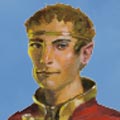 Half-elves
Languages: Civil and Wild
Half elves strongly favor balance in all things. Half-elves that have a stronger sense of social bond live in Civil cultures, frequently acting as mediators, emissaries, or negotiators.
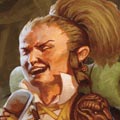 Lightfoot Halfling
Languages: Civil and Hearth
Halflings which value connection over work live with the other Civil races. In human society they lead trade guilds, run the ship yards, and run the shops.
Feral
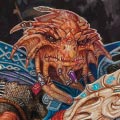


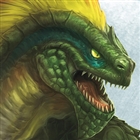 Founding race: Bestia
We do not fear the creatures, for we are the creatures.
Languages: Feral and one other founding language.
The Bestia races, such as Dragonborn, Tabaxi, or Aarokocra abandoned the old ways and ran with the creatures of land, eventually taking their form. When born each child takes the form of the elder race but immediately connects with animal spirit. By the age of two the child takes on a form and mannerism of their animal.
Example races. Dragonborn, Aarakocra, Kenku, Lizardfolk, Loxodon, and Tabaxi

 Half-kin
Languages: Feral and either one founding language or Oric.
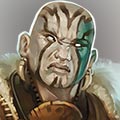
Half-orcs and Goliaths represent a hybrid of any of the goblinoid, orc, or giant races and any other race. These almost always live with their monstrous parent but some choose to live with Feral races. They are treated with a touch of suspicion.
 Shifters
Languages: The founding language where they were raised.
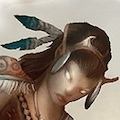
Any mingling between the Bestia and other races produces a Shifter (using Eberron rules). Two shifters are equally likely to produce a founding/child race, a shifter, or a full Bestia.
Shifters can be found in both Feral culture and in any of the other three. They are as much at home in their culture as any other.
Hearth
 Founging race: Dwarves
Walls protect us. We build for us, for all.
Languages: Hearth and one other founding language.
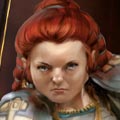
The ones that fled from the surface to the caves above and below ground became the dwarves. Their intent was to use stone and steel to create a new home, a place of power safe from the dangers of the world. They value building and creation of useful things.
Hill Dwarves
Want to build for all to see. Their cities are shining beacons with massive walls but also the most dangerous since they rarely patrol outside the walls.
Mountain Dwarves
Want to build a high wall to keep themselves safe. Their cities can be carved into the face of mountains, with no clear way in or out.
Stout Halfling
Languages: Hearth and Civil
Halflings are the crafters, the artists, and Guildmasters of the hearth races. They bring the leadership and connection of the humans to the rigidity of the dwarves.
 Rock Gnomes
Languages: Hearth and Wild
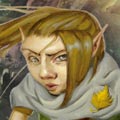
Gnomes are the source of complex technical marves. They are the engineers that design the gates, the tricksters that create hidden doors, and weavers of magic.
Touched
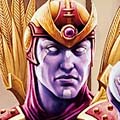

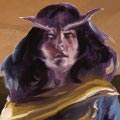
Languages: The founding language where they were and one other founding language.
Significant magic can leave a mark on a parent, causing their offspring to be born touched by that energy. These races take on the affinity of their parents.
Example races. Tiefling, Aasimar, Genasi, Firbolg, and Feyblood (Eladrin or Shadar Kai rules)
Wild
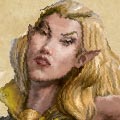 Founding race: Elves
The magic of nature gives us power. We shape it and it shapes us.
Languages: Wild and any founding language
Instead of clinging to the past some turned to nature and the energy that flows through life and the natural world. They tapped into that energy and allowed it to shape their future, thus was born the Elves. Areas that overlap with the Feywild tend to have a stonger link to the natural aspect of magic. The original elves were drawn to these location and their language and growth shaped by interacting with Fey.
High Elves
Want to use their power to become part of the land itself. Their sprawling cities are woven into the land, trees, and hills. They can be nearly impossible to find for outsiders.
Wood Elves
These elves rely on the old ways of raw magic and organize into hunter-gatherer tribes, never settling.
Half-elves
Languages: Civil and Wild
Half-elves that have a stronger sense of magic live live with the Wild races. Their sense of balance leads them to be priests or heads of schools of magic.
Forest Gnomes
Languages: Wild and Hearth
Forest gnomes are the burrowing mammals of the wild races. They build hidey holes in living trees and networks of underground tunnels. They are the architects of the wild cities.
Deep
Unavailable for play
Founding race: Drow, Druegar, Deep Gnome
Cast below ground, the caves secure our cities.
Languages: Deep
Long ago a group of elves and dwarves sought to undo the breaking of magic by reaching into the void. As punishment they were exiled deep below ground. This group eventually became the Drow, Duergar, and Svirneblin. Their affinity represents their ability to wield shadow magic and the ruthless aggressions.